Live Better With Habit-First Home Design

Step into Habit-First Home Design, where rooms bend to your routines instead of demanding you change for them. We will map daily behaviors, remove friction, and turn helpful cues into beautiful details. Expect research-backed tactics, relatable stories, and simple experiments that reshape mornings, restore evenings, and make maintenance feel natural. Stay to the end for ways to share progress and request personalized advice.

Start With Your Routines

Great spaces begin with honest observation. Before moving furniture or ordering storage, chart how you actually live across a typical week. Track wake-up rituals, coffee making, mail drops, workouts, work calls, and wind-down. Notice where you stall, double back, or stash things temporarily. These small frictions reveal layout mismatches and missed opportunities, guiding design choices that feel supportive immediately rather than aspirational someday.

Morning Flow Audit

Walk your true sunrise path from bed to bathroom to coffee, capturing every step and pause. Do you hunt for mugs, chargers, keys, or gym wear? Could a dedicated landing surface and visible cue reduce delays? Even relocating a hamper, mirror, or kettle can reclaim minutes and calm. Pair this with a short photo diary so patterns become undeniable, then prioritize the easiest win.

Evening Wind-Down Blueprint

Nights unravel when screens, clutter, and missing comforts hijack intentions. Sketch a gentle sequence you can repeat: light meal cleanup, softer lighting, comforting storage for blankets and books, and a clear charging zone outside the bedroom. Choose textures that invite touch, and containers that close with satisfying ease. Reduce decision points by prepping pajamas, tea, and tomorrow’s bag where your evening naturally ends.

High-Traffic Micro-Moments

Micro-moments sink or save your day: dropping mail, unloading groceries, leashing the dog, sanitizing hands, sorting receipts. Cluster these near doorways with hook heights that match reach, a bin sized for weekly mail, and a sturdily lit surface for quick notes. Label lightly, keep tools visible, and ensure returning items feels easier than abandoning them. Design these zones first to unlock momentum elsewhere.

Rooms That Serve Behaviors

Forget room names for a moment and plan around actions. Cooking becomes prep, cook, plate, clean. Work becomes focus, collaborate, recharge. Exercise becomes change, move, recover. Map adjacency so each action hands off to the next with minimal steps and clear sightlines. When behaviors fit like puzzle pieces, clutter drops, decisions shrink, and your home starts cooperating instead of competing with your intentions.

Entryway Loops That Work

The entrance decides whether the rest of the home stays orderly. Create a closed loop: keys and wallet tray, vertical hooks for bags, a sturdy bench for shoes, and concealed overflow for seasonal gear. Add lighting that turns on instantly, a mat that truly traps grit, and a slim recycler for junk mail. When every arrival and departure repeats the same easy motions, chaos struggles to gain ground.

Kitchen Prep That Prevents Chaos

Place knives, cutting boards, towels, and compost within a single pivot step of the main counter. Store oils and salt where your hand naturally reaches mid-sauté. Keep bulky appliances off primary prep zones, and corral lunch gear in a single drawer with containers nested by size. A visible produce bowl near the chopping board nudges healthier choices. The goal is fewer trips, fewer spills, and faster cleanup.

Laundry That Runs Itself

Move hampers to where clothes come off, not the hallway of good intentions. Keep detergent measured in a small, easy-to-grab container, and mount a folding surface directly above machines or nearby. Install a hanging rail for drip-dry items and a labeled basket per person to eliminate sorting arguments. A humble timer and a visible basket for lonely socks reduce resentment and keep the cycle moving.

Cues, Friction, and Flow
Make Positive Actions Obvious

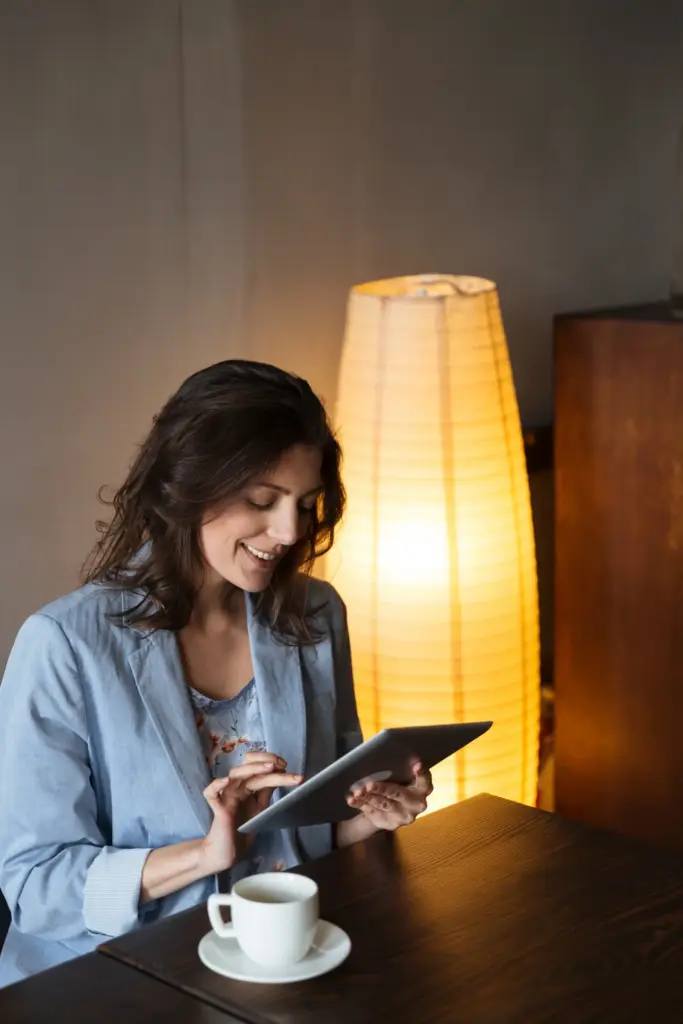
Display a water carafe on the desk, place a yoga mat unfolded near morning light, and keep fresh fruit at eye level. Use open shelves only for things you want to reach daily, reinforcing visibility. Add a small start signal, like a warm lamp or gentle playlist, that reliably triggers your routine. Obvious beats perfect every time, transforming intention into an almost automatic first step.

Make Unwanted Actions Inconvenient

Hide distracting remotes in a lidded box, route charging cables to a hallway station, and move snack storage out of immediate reach. Put the TV on a switch that requires standing to activate. Create a graceful, slower path to temptations and a swifter path to better options. The slight hassle reframes choices, reducing reliance on willpower while keeping enjoyment possible when you consciously choose it.

Reward Momentum Quickly

Build tiny celebrations into the environment: a magnetic hook that clicks when tools return home, a soft-closing drawer after dishes are put away, or a diffuser that activates during post-run stretching. Keep visible trackers for streaks near the activity itself. Small, immediate rewards reinforce identity shifts, making the next repetition easier. Design the space to say well done through touch, sound, and effortless order.

Storage, Materials, and Maintenance

Measure, Iterate, and Personalize

Treat your home like a living prototype. Capture quick before and after photos, track minutes saved on routines, and note how often tasks complete without reminders. Adjust lighting angles, swap container sizes, and slide furniture until effort drops. Seek patterns across a month, not a single weekend. Personalization emerges from evidence, revealing where design lifts you and where another micro-tweak might finally unlock ease.

Stories From Real Homes

Nothing proves the power of Habit-First Home Design like lived experience. These short stories showcase ordinary households using small, precise adjustments to reclaim time, attention, and peace. Notice how each win started with observation, then targeted friction with cues, adjacency, and materials. Use them as invitations to try one micro-shift this week and share your results so others can learn alongside you.