Shape Your Kitchen, Shape Your Habits

Welcome! Today we’re exploring kitchen configurations that nudge healthier eating and make meal prep easier, friendlier, and more consistent. By changing sightlines, zones, tools, and routines, small design choices can quietly influence what you reach for, how long tasks take, and whether cooking feels energizing instead of exhausting. Expect practical layouts, warm anecdotes, and simple nudges you can try this week, plus invitations to share your wins and questions.

Map the Work Triangle Without the Tripping

Keep the classic triangle tight but breathable: eight to eighteen feet total often feels right in real homes. Place a generous cutting station between sink and stove, so washed produce flows straight into prep. Store oils, salt, and heat‑safe utensils beside burners, not across the room. Add knee‑friendly mats and rounded corners near traffic to reduce bumps, and reserve the fridge path as a clear, direct line everyone can share.

Zone Surfaces for Prep, Cook, and Clean

Name each counter and let its tools live there: knives, boards, and bowls at prep; spatulas, thermometers, and lids at cook; scrub brushes, drying rack, and compost at clean. Color‑code cutting boards by use to avoid cross‑contamination. A rolling cart can bridge zones during busy nights, holding mise en place cups and sheet pans. When everything nests near its task, you stop hunting, start cooking, and finish with fewer dishes.

Make the Island a Quiet Traffic Controller

Position the island to buffer the stove from passing feet and give helpers a safe perch. Include outlets for blenders, a towel hook at the end, and a shallow drawer with aprons and tasting spoons. Stools on the far side keep conversation flowing without clogging the cook’s lane. Add a warming trivet strip and a hidden bin for peels. The island becomes command central without feeling like a crowded intersection.

See Healthy, Eat Healthy

Visibility drives choice more than willpower, so spotlight colorful produce and tuck distractions deeper. Put fruits where hands land first, decant grains and legumes into clear jars, and rotate snack storage so convenient equals nourishing. Reframe crispers as protected herb and greens zones, and give leftovers front‑row billing to reduce waste. These gentle cues reduce decisions and invite quick assemblies, making salads, soups, and grain bowls the effortless default.

Prep Faster with Purposeful Stations

Dedicated stations convert stop‑and‑start chaos into smooth, modular tasks. A permanent chopping zone with knives, bowls, towels, and compost nearby shortens every recipe. A breakfast corner corrals blenders, oats, and nut butters for instant, hearty starts. Vertical pan storage and a roasting caddy eliminate rummaging. When each routine has a home, batch cooking becomes calmer, and ten minutes can produce tomorrow’s salad toppings or grains without stealing your evening.

Permanent Mise en Place Drawer

Install a shallow drawer directly under your main cutting board for measuring spoons, a bench scraper, microplane, salt cellar, and prep bowls. Add a towel roll and compost bin within a single pivot. Keep onions, garlic, and citrus in ventilated baskets just below. These inches save miles. With everything pre‑staged, chopping becomes meditative, portions stay consistent, and recipes unfold predictably, even on loud weeknights when attention is split and timers multiply.

Blender and Breakfast Corner

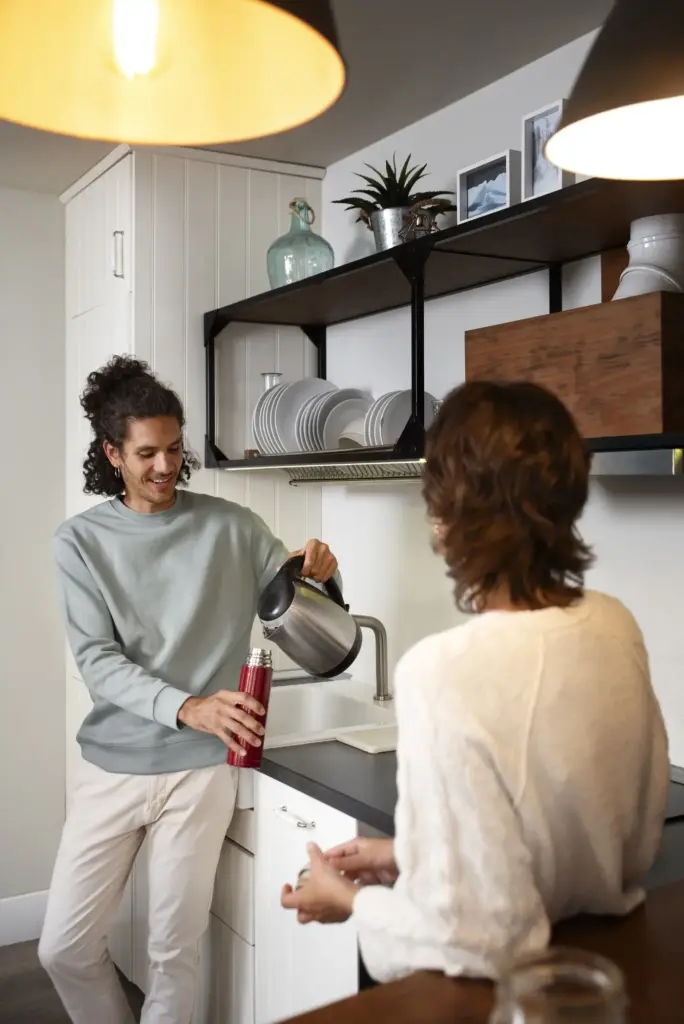
Cluster blender, kettle, oats, seeds, nut butter, and spices on one easy‑wipe counter with an outlet strip. Dedicate a freezer drawer to smoothie packs—spinach, berries, banana coins—so mornings become pour, blend, sip. Keep a cutting mat nearby for quick fruit prep and a hook for a travel tumbler. A tiny whiteboard with favorite ratios reduces thinking. This corner pays dividends daily, nudging fiber‑rich starts without turning the kitchen upside down.

Sheet‑Pan and Roasting Bay

Stand baking sheets vertically with dividers beside the oven, nest wire racks, and store high‑heat oils, instant‑read thermometer, and oven mitts in a narrow pullout. Keep parchment, foil, and pre‑cut liners within one grab. A small trolley holds chopped veggies during preheat. With friction gone, tossing broccoli, chickpeas, and salmon onto a pan feels like the fastest option, not a project, producing crisp, satisfying dinners and minimal cleanup most nights.

Design Cues That Nudge Behavior

Lighting, color, and materials speak quietly to appetite and pace. Bright, focused light over prep encourages careful chopping and salad assembly, while softer zones discourage idle grazing. Smaller plates shape portions without drama, and tactile counters invite cooking instead of scrolling. Noise‑absorbing textures calm the room so decisions feel easier. When the atmosphere matches your intentions, cravings soften, patience rises, and healthier routines stick because the space guides every small choice.

Light the Work, Dim the Graze

Install bright task lighting over sink, stove, and primary prep, then keep snack cabinets slightly dim or closed with opaque fronts. Under‑cabinet LEDs eliminate shadows for safer knife work and prettier colors on produce. Add a dimmer at the dining nook to slow bites and savor. One client tripled salad nights after adding crisp, neutral lighting above the island because greens finally looked vibrant and irresistible instead of tired and gray.

Plates, Bowls, and Portions by Design

Stack 9–10 inch dinner plates and larger salad bowls within easiest reach, staging vegetables as the visual anchor. Serve protein on slightly smaller, shallower dishes to right‑size portions naturally. Keep tiny ramekins for sauces to curb accidental excess. Store family‑style serving ware one shelf higher to encourage plating in the kitchen. These subtle defaults recalibrate quantities without rules, protecting satisfaction while gently guiding balance, especially on autopilot evenings when willpower runs thin.

Materials That Invite Cooking

Choose a forgiving cutting surface—end‑grain wood or quality boards—that makes knife work pleasant, not punishing. Mount a magnetic strip so knives are visible and ready, which reduces the impulse to open delivery apps. Quiet door dampers and soft textiles tame clatter, easing conversation and focus. Keep a visible, beautiful bowl for compost to celebrate scraps as progress. Tactile rewards turn prep into a sensory ritual you naturally return to.

Smart Storage for Real Life

Storage that mirrors habits reduces waste and wandering. Label everything in everyday language, date it, and group by task—salads, soups, breakfasts—so grabbing parts feels like finishing, not starting. Use clear bins, tiered risers, and lazy Susans in deep corners. Treat the freezer as a library of building blocks. With thoughtful categories and FIFO practices, the kitchen answers, “What’s for dinner?” before stress spikes, helping you cook what you have and love.

Routines and Rituals Built into Space

Design habits as part of the room, not an afterthought. A visible produce wash bin signals Sunday prep. A towel bar exactly where wet hands hover makes cleanup instinctive. A family board invites shared plans and victories. Put stools where kids can help safely, building skills and pride. When the environment cues action automatically, good intentions become lived routines. Share your setup photos or questions below; we’ll refine strategies together and celebrate progress.

Sunday Reset That Starts on the Counter

Dedicate a clean, uncluttered landing pad for groceries with a colander, salad spinner, and storage containers stacked and ready. Turn on a favorite playlist, set a forty‑minute timer, and move produce through wash, chop, and store. Post a simple guide above the counter with three go‑to dressings and roasting temps. When the counter says, “Start here,” prep begins without debate, and weekday meals borrow time from a calm, satisfying ritual.

Cleanup That Rewards the Cook

Mount a pull‑out with compost and trash side by side, a towel bar at hip height, and a drying rack that drains directly into the sink. Store dish soap in a refillable pump and hide extras. Keep a squeegee and microfiber square in a slim caddy. These micro‑conveniences cut drudgery dramatically. Promise yourself one song of cleanup before dinner. The kitchen will gleam faster, inviting you back tomorrow without resentment or excuses.