Design Tiny Worlds That Power Big Workdays

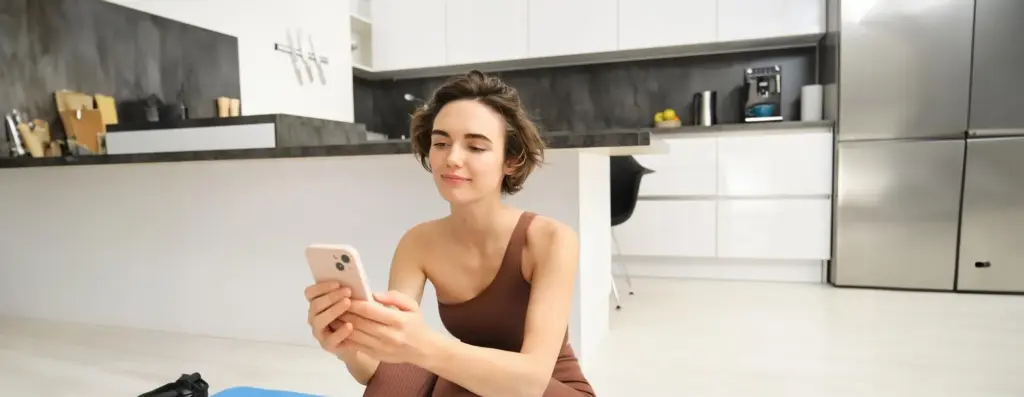
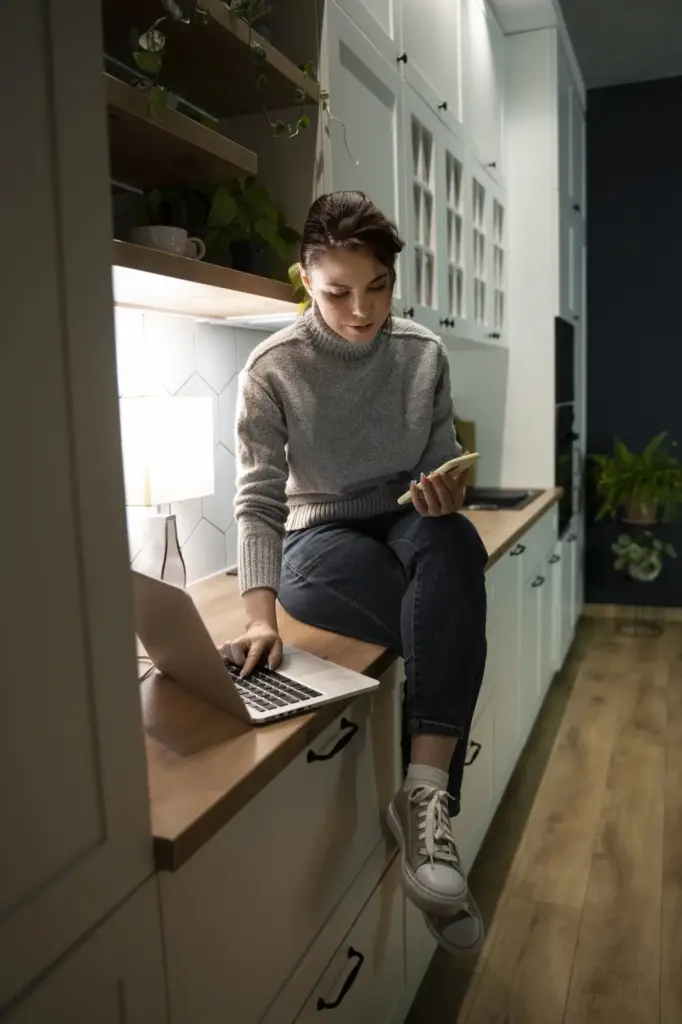
Today we explore micro‑zoning strategies for work‑from‑home focus and break rituals in small spaces, turning square feet into flexible, human‑scaled habitats. Expect practical layouts, sensory cues, and time‑boxed routines that sharpen attention, protect rest, and reduce friction. Try the ideas, adapt them to your constraints, and share your results with our community for continual refinement.

Carving Focus Nooks Without Walls

{{SECTION_SUBTITLE}}
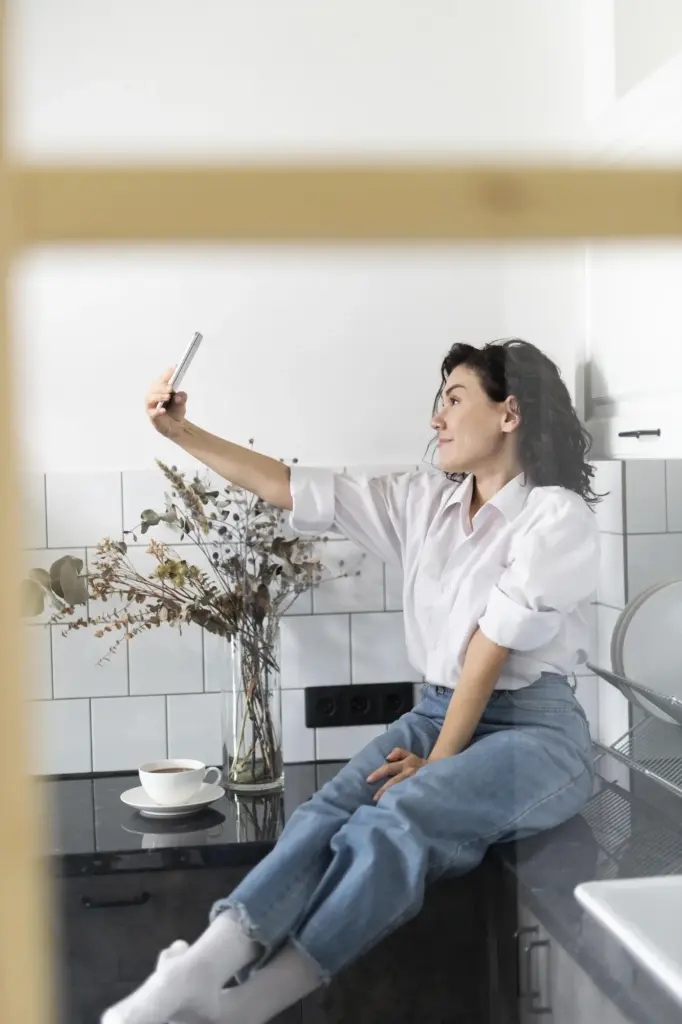
The Desk That Faces Intention
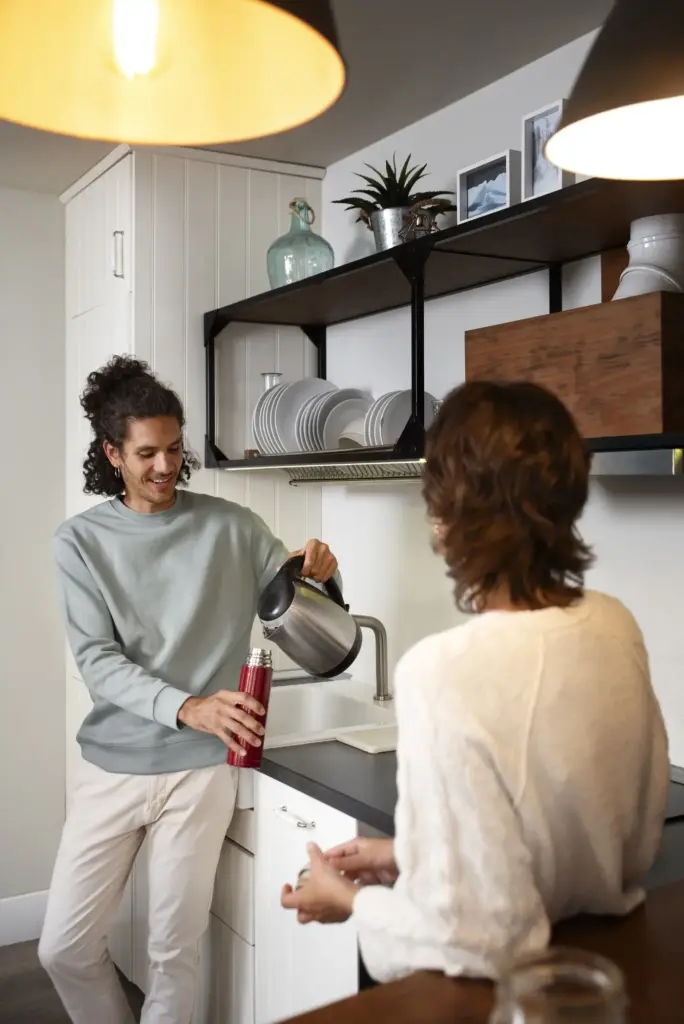
Orient your desk to minimize movement in your peripheral vision and anchor posture with a stable backdrop. A frosted window film or blank wall calms scanning impulses. Pair with a two‑tray paper rule and timer‑capped inbox to prevent slow, creeping chaos.

Rugs, Tape, and Invisible Borders

Define a rectangle under the chair with contrasting texture or low‑tack washi tape, then commit to crossing that line only when starting or pausing. Your body learns the border faster than your mind, translating tiny thresholds into reliable focus cues over time.

Closing Gestures That Signal Stop

Establish a consistent three‑step close: save, stretch, and cover. Save your work, stretch wrists and hip flexors, then cover the keyboard with a cloth or fold the laptop. This tactile finale prevents phantom returns and frees your mind to truly pause.

Movement Snacks, Not Workouts

Sixty seconds of calf raises, wall angels, or a slow squat sequence recalibrates posture and oxygen without sweat or wardrobe changes. Add a doorway elastic band, set a gentle chime, and treat these motions as flavorful interludes that make returning easier, sharper, and kinder.

Furniture That Switches Roles Gracefully

In compact homes, one piece must do many jobs without visual noise. Learn how drop‑leaf tables, nested surfaces, and slim carts pivot from studio to café to lounge. We’ll map clear docking spots and packing rituals so transitions stay fast, repeatable, and satisfying.

Lighting, Sound, and Scent Cues

Sensory anchors make small spaces feel bigger by clarifying purpose. Use layered lighting, curated soundscapes, and a consistent aromatic fingerprint to signal mode shifts. We’ll discuss lux levels, noise masks, diffuser blends, and sequencing so your environment becomes an ally instead of a nag.

Schedules and Micro‑Behaviors That Anchor Zones

Space works hardest when time supports it. Build predictable windows for deep work, admin, and recovery, then stack tiny triggers that make entry automatic. We’ll sketch pomodoros, meeting buffers, inbox windows, and opening ceremonies that compress friction while honoring your real constraints and rhythms.

Opening Ceremonies Worth Repeating

Start every session the same way: water, window open, single sticky with one verb, and two breaths counting down. These rituals shrink startup cost, tame procrastination, and let your body feel, unmistakably, that the runway is clear and engines are ready.

Boundaries for Notifications and People

Silence noncritical alerts, batch messages at set times, and post a friendly signal for housemates, like a colored light or door hanger. Respect reciprocally scheduled interruptions, converting randomness into planned connection. Predictability keeps micro‑zones sacred without isolating you from the humans you love.

Admin Islands Separate from Deep Seas

Reserve a small perch, different lighting, and a narrower keyboard posture for email, bills, and scheduling. By segregating routine tasks from the primary desk, you prevent contamination and protect cognitive momentum, returning to deep work waters with steadier course and calmer wake.

Stories from Unlikely Corners
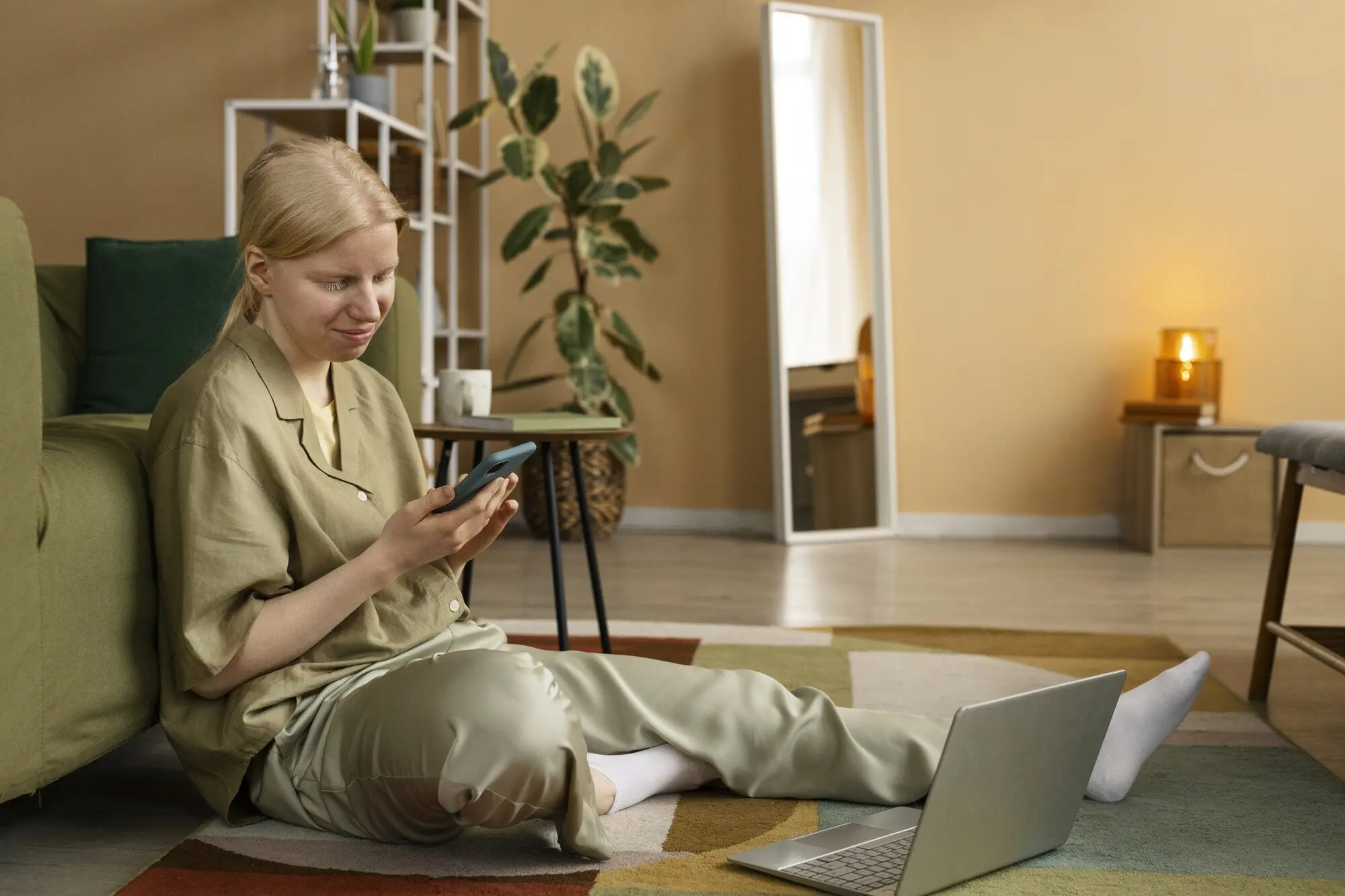
Real apartments, real constraints, surprisingly generous results. We’ll recount makeovers from studios, dorm rooms, and shared flats, extracting repeatable patterns you can test tomorrow. Each story reveals how small, consistent signals beat expensive purchases, and how curiosity outperforms square footage when supported by kind boundaries.

Your First Micro‑Zone, Built This Weekend

Rearrange with what you own: choose a desk orientation, tape borders, repurpose a lamp, and assign two playlists. Draft an opening ceremony and a closing gesture. By Sunday night, capture learnings in three sentences and one picture to celebrate momentum.
Invest in a foldable screen, brighter task lamp, and a rolling cart. Script a 90‑second transition sequence and label shelves by verb. Schedule two group check‑ins for accountability, and adjust your layouts after measuring one week of energy and completion patterns.
If budget allows, add an ergonomic chair, compact sit‑stand desk, and smart lighting scenes. But hold the line on simplicity: one scent, two playlists, three ceremonies. Guard the signal clarity that makes micro‑zones powerful, and track calm, not just output, as your win.